
18 products

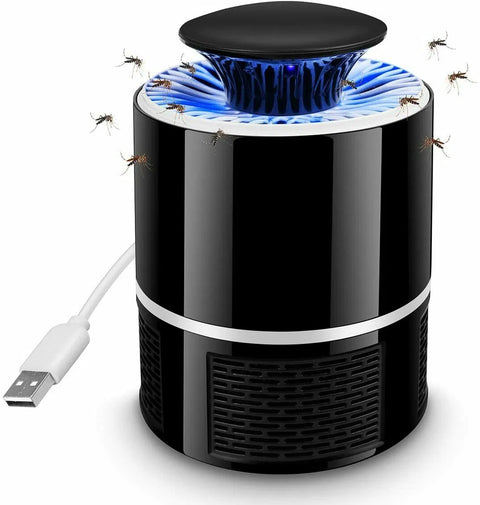


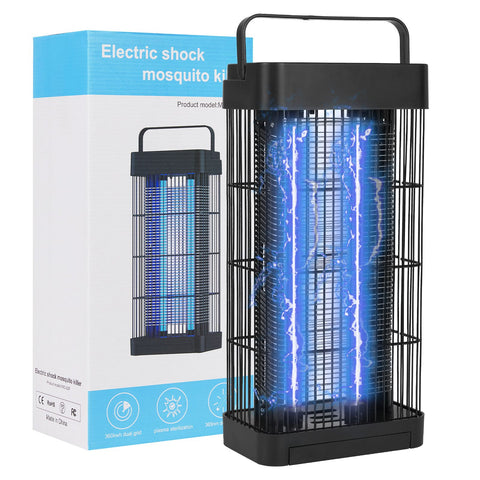
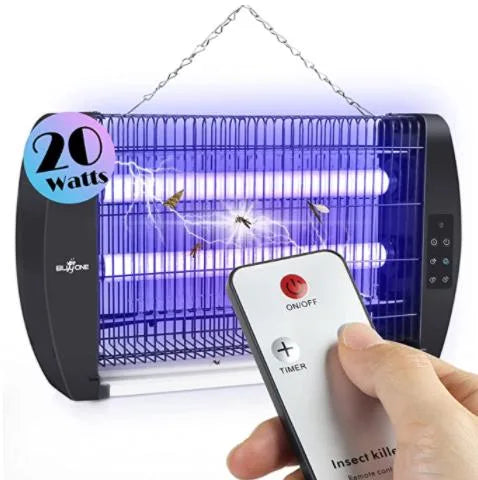
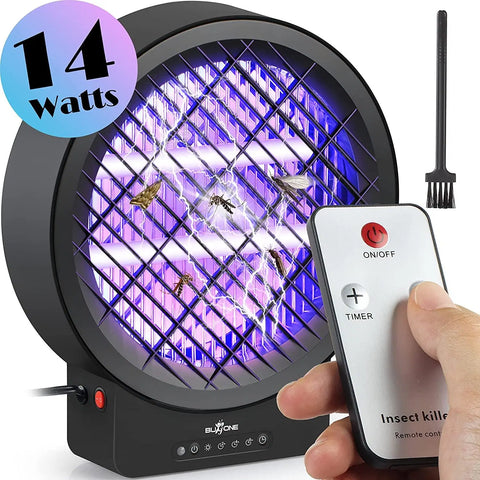
How to Choose the Right Bug Zapper
The right electric bug zapper depends on where you plan to use it and which flying insects you want to target. Matching the product to your situation makes a noticeable difference in how well it performs. These are the main factors worth checking before you buy.
-
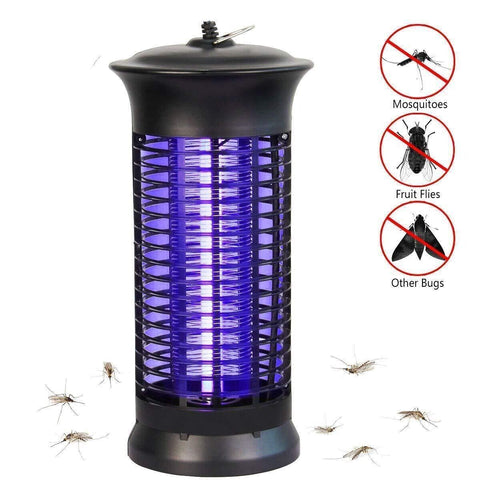
Pest type: Some zappers are built specifically for mosquitoes, while others work well across flies, gnats, wasps, and moths. Check the product specs to confirm which insects each model is designed to target.
-
Indoor vs. outdoor use: Outdoor bug zappers are generally larger and weather-resistant, built for patios, gardens, yards, and balconies. Indoor models tend to be more compact and suited for kitchens, garages, or utility rooms. Not every zapper works well in both settings, so it pays to check before purchasing.
-
Power source: Plug-in zappers work well in fixed spots like patios or garages. Rechargeable, battery-powered, and solar-powered options give you more flexibility for camping, travel, or areas without a nearby outlet.
-
Coverage area: Most products list their effective range in square feet. Larger outdoor spaces may need a higher-capacity unit or more than one zapper to cover the full area.
-
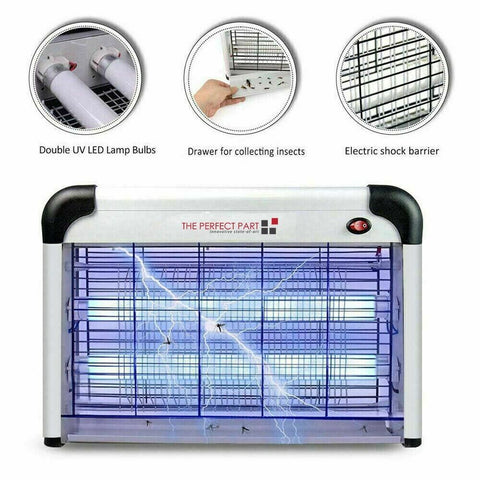
Cleaning and maintenance: Models with removable collection trays or washable components make regular upkeep much easier. If you plan to use your zapper frequently, this is worth factoring in from the start.
-
Placement: Bug zappers perform best when positioned near where flying insects are active, but away from where people are sitting or eating. You see, placing a zapper too close to a seating area can draw more insects toward the space rather than away from it.
Taking a few minutes to compare these factors upfront can help you choose a bug zapper that fits your space and delivers more consistent results over time.
Best Bug Zappers by Use Case
If you already know where you plan to use your zapper, this table can help you narrow down the right type quickly. For broader outdoor pest coverage, also take a look at our indoor and outdoor pest control range.
Use Case |
Best Product Type |
Buyer Need |
Patio or outdoor seating |
Outdoor electric bug zapper |
Reduce flying insects around seating areas |
Kitchen or indoor space |
Indoor bug zapper or compact electric trap |
Control flies, gnats, and small flying pests indoors |
Garden or backyard |
Weather-resistant outdoor zapper |
Help manage mosquitoes, flies, and other outdoor pests |
Camping or travel |
Portable or rechargeable bug zapper |
Easy pest control away from home |
Garage or shed |
Plug-in or hanging bug zapper |
Control flying insects in utility spaces |
Ongoing prevention |
Multiple zappers or combined pest control products |
Broader support across indoor and outdoor zones |
Each use case calls for a slightly different setup, and the product descriptions in the grid above include coverage area and power source details to help you compare.
Where to Use Bug Zappers
Electric bug zappers work in most areas where flying insects gather regularly. Outdoor models are well-suited for patios, gardens, backyards, balconies, porches, and outdoor dining spaces. Smaller indoor units can also help in kitchens, garages, sheds, and utility rooms.
For best results, place your zapper near areas of highest insect activity, and keep some distance between the unit and where people are sitting or eating. Also, mounting height can affect performance, so check the product recommendations for your specific model.
If you need targeted pest control for specific indoor or outdoor zones, our indoor and outdoor pest control collection covers a wider range of options by setting and use case.
Bug Zappers vs. Other Pest Control Products
Bug zappers work well for flying insects, and that makes them a useful starting point. That said, some pest problems call for a more targeted product or a combination of approaches. The table below gives a quick comparison.
Product Type |
Best For |
When to Use |
Bug zappers |
Flying insects |
Mosquitoes, flies, gnats, wasps |
Indoor flies and gnats |
Kitchens, bins, windows, and indoor problem areas |
|
Mosquito repellents |
Personal or area protection |
Outdoor seating, camping, and patios |
Wasp activity |
Gardens, patios, and outdoor structures |
|
General pest deterrence |
Indoor prevention and broader pest support |
|
Outdoor pest control products |
Yard and garden pests |
Larger outdoor spaces and recurring pest issues |
A bug zapper handles flying insects well, but it works best as part of a broader setup when you are dealing with multiple pest types or larger spaces.
Why Choose PestAside Bug Zappers?
PestAside's electric zappers cover the most common flying insect problems around homes, gardens, patios, and garages. All models work without chemical sprays, which makes them a practical choice for households where avoiding pesticides matters.
The range includes plug-in, rechargeable, battery-powered, and solar-powered options, so you can find a unit that fits your space and how you plan to use it. Indoor and outdoor models are available across different coverage areas and price points. You also get access to a wider pest control range if you need products for other pest types or settings.
If you want chemical-free flying insect control without a complicated setup, the products in this collection are worth a close look.
Related Pest Control Products
Bug zappers target flying insects well, but certain pest problems need a more specific solution. These are the most relevant collections to browse depending on your situation:
Fly traps for kitchens, windows, and high-traffic indoor areas
Wasp traps for activity around patios or garden structures
Gnat traps for kitchens or indoor plants where gnat activity is the main issue
Ultrasonic pest repellers for chemical-free indoor prevention across a range of pest types
Browsing by pest type or use case is the most efficient way to find the right match if none of the above fits your specific situation exactly.
Frequently Asked Questions
What is the best bug zapper for mosquitoes?
The right choice depends on where you plan to use it. Outdoor spaces generally need a weather-resistant zapper with a wider coverage range. For smaller indoor areas, a compact plug-in or rechargeable model is usually enough. Check the coverage area listed in the product specs to match the unit to your space.
Can bug zappers be used indoors?
Some models are designed specifically for indoor use, but not every bug zapper is suitable for all indoor spaces. Always check the product details before placing a zapper in a kitchen, bedroom, garage, or enclosed room. Indoor units are typically smaller and built to operate safely in confined spaces.
Do bug zappers work on flies?
Yes, many electric bug zappers are designed to attract and target flies alongside mosquitoes, gnats, and moths. For heavier fly activity indoors, a dedicated fly trap may give you better results alongside or instead of a zapper.
Are bug zappers chemical-free?
Most electric bug zappers work without sprays, lures, or chemical treatments. They use UV light to attract flying insects and an electric grid to eliminate them on contact. You see, this makes them a practical option for households that prefer to avoid pesticide-based products. For more chemical-free options across other pest types, browse our indoor and outdoor pest control collection.
Where should I place a bug zapper?
Place your zapper near where flying insects are most active, but keep it away from seating, dining, and food preparation areas. Patios, garden borders, porches, and the edges of outdoor seating zones tend to work well for outdoor models. For indoor use, garages, utility rooms, and areas near windows or entry points are common placement spots.
Should I use a bug zapper with other pest control products?
A bug zapper works well on its own for flying insects, and it also fits into a broader pest control setup when you are dealing with more than one pest type. Depending on the situation, you may also find it useful to add mosquito repellents, wasp traps, or ultrasonic pest repellers to cover a wider range of pests across indoor and outdoor areas.