
4 products


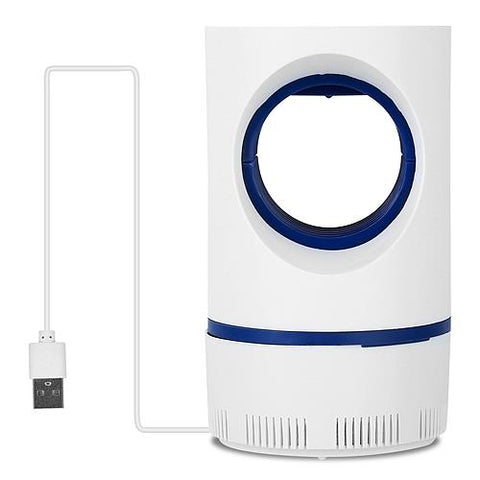
How to Choose the Right Indoor Fly Trap
The right indoor fly trap depends on where you plan to use it, which flying insects you want to target, and how much maintenance you want to take on. These are the main factors worth checking before you buy.
Pest type: House flies, fruit flies, gnats, moths, and mosquitoes may respond better to different trap types. Check the product specs to confirm which insects each model is designed to target.
Trap method: Indoor fly traps use UV light, suction, sticky pads, motion sensors, or electric zapping. Some combine methods. The product descriptions in the grid above cover this for each model.
Room size: Larger rooms may need a stronger trap or more than one unit. Most products list their effective coverage area in the specs.
Placement: Indoor fly traps generally work best near where pest activity is highest, but away from food preparation areas and competing light sources, especially for UV-based traps.
Noise level: Quiet traps are better for bedrooms, offices, living rooms, and nurseries. If noise matters, check the product details before buying.
Maintenance: Removable trays, replaceable sticky pads, and easy-clean containers make long-term use much simpler. If you plan to run a trap all season, this is worth factoring in from the start.
Visibility: Some shoppers prefer traps that hide captured insects rather than leave them in view. Models with enclosed capture containers work well in shared spaces and kitchens.
Power source: Plug-in models suit fixed indoor areas. Rechargeable options give you more flexibility if you want to move the trap between rooms.
Taking a few minutes to compare these factors upfront helps you pick a trap that fits your space and delivers more consistent results over time.
Best Indoor Fly Traps by Use Case
If you already know which room or pest problem you are dealing with, this table can help you narrow down the right type quickly.
Use Case |
Best Indoor Fly Trap Type |
Buyer Need |
Kitchen flies |
UV or suction fly trap with discreet capture |
Control flies without sprays near food areas |
Fruit flies and gnats |
Light-based trap, sticky pad trap, or compact suction trap |
Target small flying insects around drains, fruit, and bins |
Bedrooms |
Quiet indoor fly trap |
Reduce flying insects without disruptive noise |
Living rooms |
Discreet trap with hidden capture |
Pest control that does not look messy |
Offices |
Plug-in or quiet electric fly trap |
Low-maintenance indoor fly control |
Garages and utility rooms |
Stronger indoor zapper or suction trap |
Help manage flies, moths, and mosquitoes in utility spaces |
Pet homes |
Chemical-free indoor trap |
Avoid relying only on sprays or harsh-smelling products |
Ongoing prevention |
Multiple indoor traps or a trap plus source control |
Support broader indoor pest management |
For homes with pets, also take a look at PestAside's pet-friendly pest control range, designed with household animals in mind.
Indoor Fly Traps vs Other Fly Control Products
Indoor fly traps cover the most common flying insect problems, and they work well as a standalone solution in most rooms. That said, some pest situations call for a more targeted product or a combination of approaches.
Product Type |
Best For |
When to Use |
Indoor fly traps |
Flies, gnats, mosquitoes, and moths indoors |
Kitchens, bedrooms, living rooms, offices, garages |
Suction traps |
Quiet indoor capture |
Bedrooms, offices, kitchens, and shared spaces |
Motion zapper traps |
Active flying insect control |
Rooms with recurring flying insect activity |
Sticky fly traps |
Budget-friendly fly capture |
Windows, garages, utility areas, or low-visibility spots |
Outdoor bug zappers |
Patios, gardens, and outdoor seating areas |
Outdoor flying insect control |
Mosquito traps or repellents |
Mosquito-heavy areas |
Indoor or outdoor mosquito-specific issues |
Fly sprays |
Fast knockdown |
Use carefully and according to label directions |
Drain or gnat products |
Fruit flies and drain flies |
When flies are coming from drains, fruit, bins, or moisture sources |
For outdoor flying insect control, these collections are worth browsing based on your setup:
Electric zappers for dedicated outdoor use
Indoor and outdoor zappers for coverage across both settings
Indoor and outdoor pest control for a broader view across pest types and environments
Fly sprays, if you prefer a direct application option, are used selectively and according to label directions
Browsing by use case is usually the fastest way to find what fits your setup.
Where to Place an Indoor Fly Trap
Indoor fly traps work best when placed near the areas where flying insects are most active. You see, positioning matters as much as the type of trap itself.
Common placement spots include kitchens, near bins or rubbish areas, beside windows and doors, living rooms, bedrooms, offices, garages, utility rooms, laundry rooms, basements, and pantry areas.
For light-based traps, avoid placing the unit directly beside bright competing light sources or facing windows where it may pull insects in from outside. Also, keep traps away from food preparation surfaces, even if the product is rated for kitchen use. For broader indoor pest control support across multiple areas of the home, running more than one trap in high-traffic zones can help reduce activity more consistently.
Why Choose PestAside Indoor Fly Traps?
PestAside's indoor fly traps cover the most common flying insect problems around the home, from kitchen flies and fruit flies to gnats, moths, and mosquitoes. All models in this collection work without chemical sprays, making them a practical option for households looking for chemical-free pest control that fits into daily life without disruption.
The range includes quiet options for bedrooms and offices, compact models for kitchens and living rooms, and stronger units for garages and utility spaces. For families with children, the kid-safe pest control collection is worth checking alongside this one. And if you are managing pest problems in more than one area of the home, PestAside's related collections offer more options by pest type, room setting, and trap style.
Related Indoor Pest Control Products
Indoor fly traps target flying insects well, and certain pest problems benefit from a more specific product alongside or instead of a trap.
If the main issue is outdoor flying insects around patios, gardens, or seating areas, these options are built for those conditions:
Electric zappers for weather-resistant outdoor use
Indoor and outdoor zappers for coverage across both settings
Mosquito and bug repellent fans for area-based protection around seating or garden spaces
Repellent bracelets for personal protection during time spent outside
Any of these works well as a starting point, depending on whether you need coverage for a space or for yourself.
For broader pest prevention across the home, these collections are worth browsing:
Ultrasonic pest repellers for chemical-free coverage across a range of pest types
Eco-friendly pest control for a filtered view of non-chemical options
Pet-friendly pest control for products suited to households with animals
Best sellers if you want to see what's performing best across PestAside's full range
These cover the main priorities, whether you're building a chemical-free setup, managing a pet-safe home, or simply looking for what works.
Frequently Asked Questions
What Is the Best Indoor Fly Trap?
The best indoor fly trap depends on the type of flying insects and where you plan to use it. For most homes, quiet chemical-free pest control options that use light attraction, suction, sticky pads, or enclosed capture work well across kitchens, bedrooms, and living rooms. Check the coverage area and noise level in the product specs to match the right unit to your space.
Do Indoor Fly Traps Work on Gnats?
Many indoor fly traps can help with gnats, and light-based or sticky pad traps tend to perform well for smaller flying insects. If gnats are coming from drains, fruit, plants, or bins, you may also need to address the source directly. Browsing indoor and outdoor pest control can help you find products suited to gnat-specific issues, alongside a trap.
Can I Use an Indoor Fly Trap in the Kitchen?
Yes, many indoor fly traps are suitable for kitchens. Place the trap near fly activity, away from food preparation surfaces, and check the product details to confirm it is rated for kitchen use. Models with enclosed capture containers tend to work better in food areas than open sticky pad designs.
Are Indoor Fly Traps Chemical-Free?
Many indoor fly traps work without sprays or chemical treatments. They use UV light, suction, sticky pads, motion sensors, or electric grids to attract and capture flying insects. For a filtered view of options built around chemical-free pest control, browse PestAside's eco-friendly pest control collection.
Where Should I Place an Indoor Fly Trap?
Place an indoor fly trap near areas where flies, gnats, mosquitoes, or moths are most active, such as near bins, windows, doors, utility rooms, kitchens, or garages. Avoid placing light-based traps next to bright competing light sources or in direct line with windows. For placement support across multiple rooms, indoor and outdoor pest control covers a wider range of product types and settings.
Are Indoor Fly Traps Quiet?
Some indoor fly traps are designed for quiet operation, making them well-suited for bedrooms, offices, living rooms, and other shared spaces. Suction-based models tend to be the quietest option. Always check the product details for noise level and recommended placement before buying.