
34 products
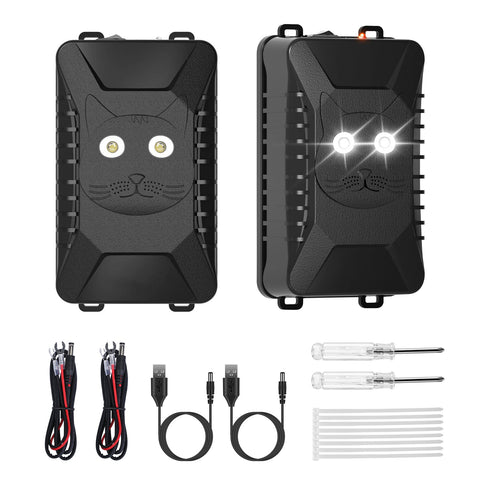
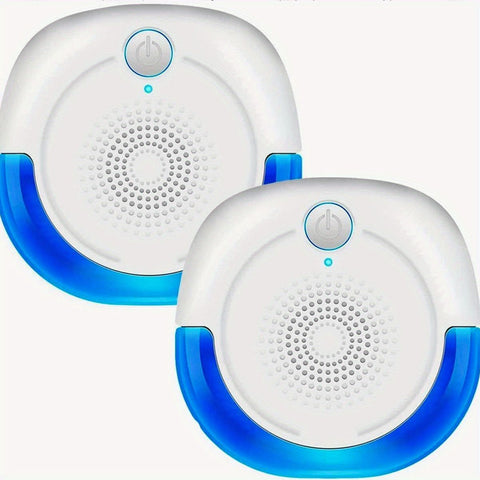
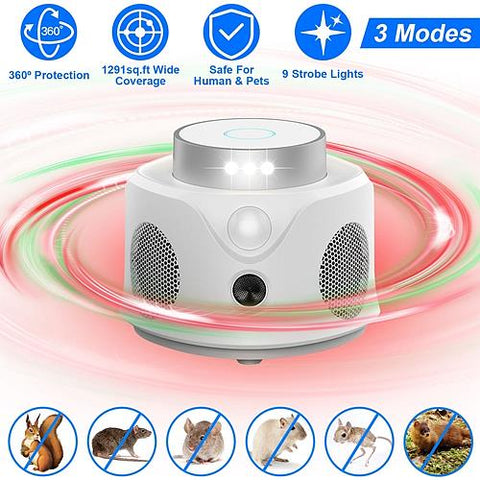
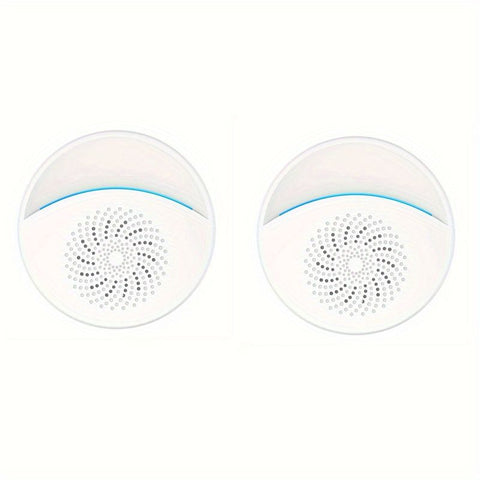
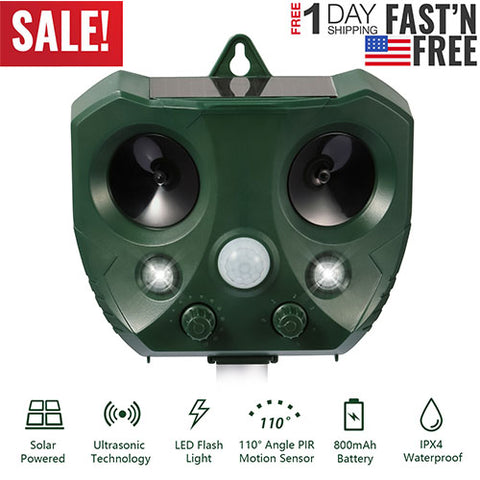
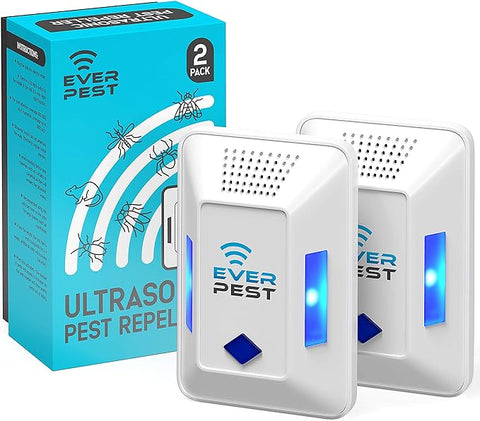
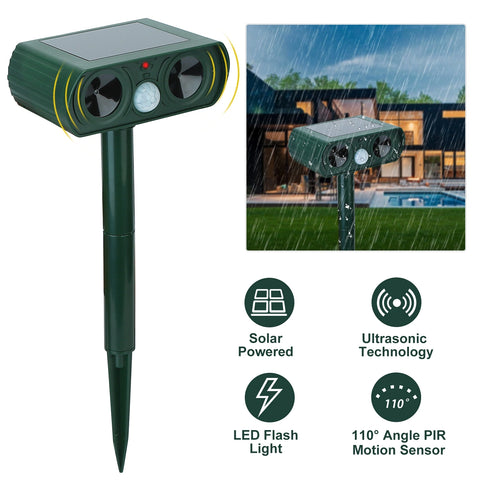
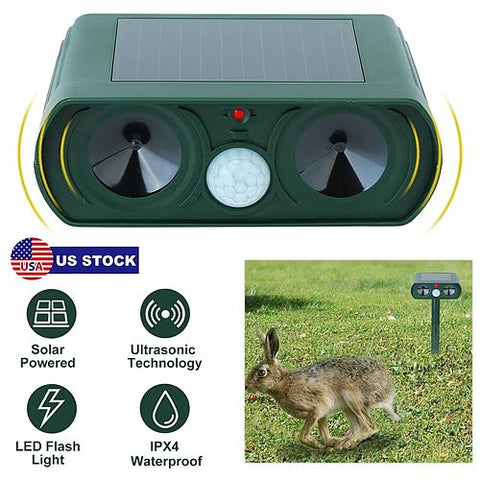


How ultrasonic pest repellers work
Ultrasonic pest repellers emit high-frequency sound waves designed to interfere with how certain pests navigate, nest, and settle in an indoor space. The sound creates an uncomfortable environment for pests, encouraging them to move elsewhere over time.
These frequencies are typically inaudible to humans and do not involve chemicals, fumes, or physical traps. Once plugged in, the device runs continuously and requires no ongoing maintenance.
Effectiveness depends on correct placement, room layout, and coverage. Because ultrasonic sound does not pass through walls or solid objects, each room generally requires its own unit for consistent results.
What to know before buying
-
Ultrasonic sound does not travel through walls
-
Coverage improves with proper placement and multiple units
-
Designed as a deterrent, not a standalone solution for heavy infestations
What pests ultrasonic repellers can realistically affect
Ultrasonic pest repellers are designed to discourage certain common household pests by making indoor spaces less comfortable for them over time. They work best against pests that rely heavily on sound and vibration to navigate enclosed environments.
Most commonly affected pests
-
Mice
-
Rats
-
Roaches
-
Ants
-
Some crawling insects
These pests are more likely to respond to ultrasonic disruption, especially when devices are placed correctly and used consistently.
Less reliable or limited results
-
Flying insects
-
Outdoor pests
-
Established infestations with nesting inside walls
Ultrasonic repellers are most effective as an early-stage or preventative solution rather than a fix for severe, hidden infestations.
Disclamer: Results vary depending on pest species, room layout, and infestation severity.
For mosquitoes and other flying pests in open or semi-open spaces, electric indoor and outdoor zappers are typically more effective than ultrasonic sound alone.
Coverage and placement guidance
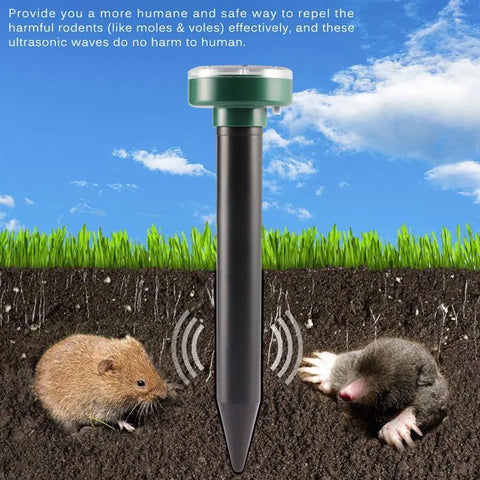
Ultrasonic pest repellers are designed to cover a defined indoor area when used in open space. Some are designed to cover an open outdoor area and are equipped with a solar panel to power the device.
In fully open outdoor environments such as yards and patios, UV bug zappers often provide more consistent flying insect control than ultrasonic units, especially at night when insects are most active.
Most units provide effective coverage of approximately 800 to 1,200 square feet per device, depending on room layout and obstructions.
Because ultrasonic sound does not pass through walls or solid objects, actual coverage is reduced by walls, furniture, cabinets, and large appliances. For best results, coverage should be planned room by room rather than across an entire floor.
Recommended installation for best results
-
Use one unit per room for consistent coverage
-
Plug devices into wall outlets 8 to 12 inches above the floor
-
Avoid placing units behind furniture, curtains, or cabinets
-
Use multiple units in multi-story or segmented homes
Recommended setups by home type
Choosing the right number of ultrasonic pest repellers depends on the size of the property and how rooms are divided. Planning coverage upfront helps avoid under-coverage and improves overall effectiveness.
Medium-sized home (around 3 bedrooms)
A typical medium-sized home works best with 4 to 6 units total:
-
One unit in each bedroom
-
One unit in the main living area
-
One unit in the kitchen
-
Optional unit for a garage, basement, or utility room
This setup ensures consistent room-by-room coverage without relying on sound passing through walls.
Rental properties and short-term lets
Ultrasonic pest repellers are well suited for rental homes and apartments:
-
Ideal for use between tenant turnovers and as ongoing prevention
-
No chemicals, traps, or consumables
-
Minimal maintenance and no permanent installation
-
Tenant-friendly and safe for occupied spaces
For landlords and property managers, we offer a simple, low-effort way to reduce pest issues without ongoing service contracts.
Ultrasonic repellers vs traditional pest control methods
Ultrasonic pest repellers offer a different approach to pest control compared to traps, sprays, and chemical treatments. Instead of killing pests, they focus on long-term deterrence with minimal upkeep.
Why customers choose ultrasonic repellers
-
No poisons, chemicals, or traps
-
Low maintenance with continuous operation
-
Safe for routine use in occupied spaces
-
Energy efficient and inexpensive to run
Important limitations to understand
-
Results are gradual, not immediate
-
Ultrasonic sound does not travel through walls
-
Less effective for severe or hidden infestations
-
May need to be combined with other control methods
Traditional pest control methods can deliver faster results, especially for active infestations, but often involve chemicals, repeated treatments, and ongoing costs.
Ultrasonic repellers work best as part of an integrated pest management approach, particularly after professional treatment or alongside basic preventative measures.
In outdoor areas, combining ultrasonic deterrents for rodents with electric indoor and outdoor zapper units for flying insects creates a more complete chemical-free pest strategy.
FAQ
Do ultrasonic pest repellers really work?
They can help discourage certain pests when used correctly and consistently. Ultrasonic repellers are most effective as a preventative solution or for light pest activity, not as a replacement for extermination in severe infestations.
Are ultrasonic pest repellers safe for pets and children?
They are generally safe for humans and most household pets. Small animals such as hamsters or gerbils, which are sensitive to high-frequency sound, may be affected and should not be placed in the same room.
What pests do ultrasonic repellers affect?
They are most commonly used against rodents and crawling insects, including mice, rats, cockroaches, and ants. Results vary depending on the pest type and environment.
How long does it take to see results?
Most users notice changes within 1 to 3 weeks. Some pests may appear more active at first as they are disturbed before relocating.
Can the sound go through walls?
No. Ultrasonic sound does not penetrate walls or solid objects, which is why one unit per room is recommended.
Are ultrasonic repellers more effective than sprays or traps?
They serve a different purpose. Repellers focus on prevention and long-term deterrence, while sprays and traps provide immediate control. Many households use them together.
What should I consider when choosing an ultrasonic pest repeller?
Key factors include:
-
Frequency range (for rodents and insects)
-
Coverage area per unit
-
Energy efficiency
-
Number of rooms and layout
-
Indoor vs outdoor use
How many ultrasonic pest repellers do I need for a three-bedroom house?
Most three-bedroom homes require 4 to 6 units, depending on room layout, furniture density, and whether garages or basements are included.
Can ultrasonic repellers prevent new infestations after extermination?
Yes. They are commonly used after professional treatment to help discourage pests from returning.
Are there ultrasonic repellers for outdoor use?
Some models are designed for garages, patios, and covered outdoor spaces. For open yards and heavy flying insect activity, indoor and outdoor UV bug zappers are generally a more reliable solution.