
8 products
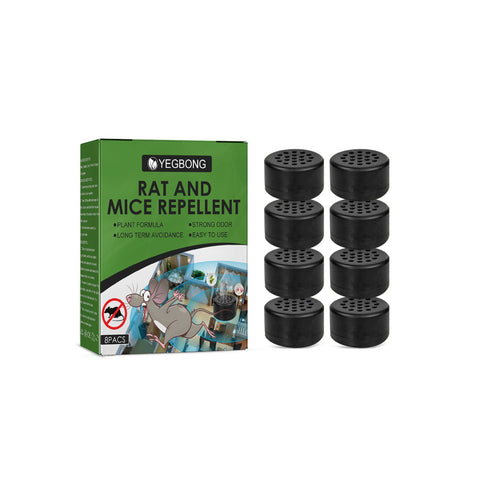


How to Choose the Right Mouse Repellent
The right mouse repellent depends on the room, the layout, and whether you need a permanent or portable setup. These are the main factors worth checking before you buy.
- Repellent type: PestAside stocks ultrasonic and sonic plug-ins. Scent-based pouches and sprays are a common alternative for enclosed spaces, covered further down this page.
- Room and layout: Ultrasonic output does not pass through walls or heavy furniture, so one unit per room is the usual approach rather than one per floor.
- Coverage area: Check the square footage listed in the specs against the size of the room you plan to cover.
- Power source: Plug-in units suit permanent rooms with mains access, while battery or rechargeable options work better in cupboards, lofts, and crawl spaces.
- Noise and household: Some units emit an audible click or a strobe light, which matters more in bedrooms and nurseries than in a garage or basement.
- Homes with pets: Small caged pets and some dogs may register the frequency. Our post on whether ultrasonic pest repellers bother dogs covers this in more detail.
- What it will and will not do: A repellent discourages mice from settling into a space. It does not clear an existing nest, so pairing it with mouse traps and sealing gaps gives you a more complete result.
Working through these factors room by room, rather than buying one unit for the whole house, is what actually determines how well a mouse repellent performs.
Best Mouse Repellents by Use Case
If you already know which room the activity is in, this table can help you narrow down the right repellent type quickly.
|
Use Case |
Best Repellent Type |
Buyer Need |
|
Kitchens and pantries |
Plug-in ultrasonic repeller |
Chemical-free deterrence near food storage |
|
Bedrooms and nurseries |
Quiet ultrasonic unit without strobe |
Deterrence without disturbing sleep |
|
Attics and lofts |
Battery or rechargeable repeller |
Cover in spaces without easy mains access |
|
Basements and crawl spaces |
Higher coverage ultrasonic unit |
Larger, colder spaces where mice overwinter |
|
Cupboards and drawers |
Scent-based pouch |
Small enclosed spaces where a plug-in will not fit |
|
Whole home |
Multi-pack plug-in repellers |
Consistent room-by-room coverage |
|
Homes with pets |
Repeller with adjustable settings |
Deterrence with household animals in mind |
Product descriptions in the grid above list the coverage rating for each unit, which is the number to check against your room size before buying.
Where Mice Get In and Where to Place a Repellent
Mice can fit through a gap about the width of a pencil, so entry points are usually smaller and more numerous than people expect. Common spots include utility penetrations where pipes or cables enter the house, gaps under exterior doors, vents, and anywhere pipework passes through an exterior wall. Sealing these gaps alongside a repellent addresses the root of the problem rather than just the symptom.
Once inside, mice travel along walls and behind furniture rather than crossing open floor space, which is worth knowing when you decide where to plug in a repellent. Place units on the wall side of a room, near where you suspect activity, and away from soft furnishings and heavy furniture that can absorb or block the output. One unit per room is the general rule, rather than one per floor, since ultrasonic signals do not carry through walls.
A repellent cannot cover a physical gap, so pairing placement with sealing is what actually stops new mice from getting in. If mice are already established rather than just a risk, mouse traps deal with what is already inside while the repellent works on prevention going forward.
Mouse Repellent vs Traps and Other Options
Mouse repellent works best for prevention, and it fits alongside trapping and sealing rather than replacing either one. This table gives a quick comparison.
|
Product Type |
Best For |
When to Use |
|
Mouse repellent |
Discouraging mice from settling |
Prevention and after an infestation is cleared |
|
Catching mice already inside |
Droppings, noise, or damage already present |
|
|
Fast, enclosed catches |
When you want no-touch disposal |
|
|
Scent-based pouches |
Small enclosed spaces |
Drawers, cupboards, and storage boxes |
|
Rats, squirrels, and mixed rodent activity |
When mice are not the only rodent involved |
|
|
Broader chemical-free deterrence |
Multi-pest indoor prevention |
|
|
Sealing entry points |
Stopping access altogether |
Alongside any repellent |
Most households end up combining two or three of these, depending on whether mice are just a risk or already a confirmed problem.
Why Choose PestAside Mouse Repellent?
PestAside's mouse repellent range covers plug-in and rechargeable options, including multi-packs sized for room-by-room coverage across a whole home. Every product lists its coverage rating in the specs, so you can match a unit to the room rather than guessing.
If the situation escalates beyond prevention, the site also carries mouse traps in the same place, so you are not starting from scratch if mice are already inside. Every claim here reflects what a repellent is designed to do, not a guarantee against every mouse that finds its way in.
Related Pest Control Products
If mice are showing up alongside other pests, or you want a broader prevention setup, these related collections are worth a look.
- Mouse traps for confirmed activity indoors
- Ultrasonic pest repellers for chemical-free deterrence across pest types
- Indoor and outdoor pest control for a wider view across settings
- Kid-safe pest control for bedrooms and nurseries
- Pet-friendly pest control for households weighing repellers around animals
Browsing by room or pest type is usually the fastest way to round out a full prevention setup around this collection.
Frequently Asked Questions
What is the best mouse repellent for a house?
Room-by-room plug-in coverage works better than one unit for the whole property. Check the coverage rating in the specs against each room's size before buying.
Do ultrasonic mouse repellents work?
They are designed to make a space less attractive rather than remove mice outright. Results depend on placement and room layout. Our post on whether ultrasonic pest repellers work covers this in more depth.
What smells do mice hate?
Peppermint oil, clove, and similar strong scents are commonly used as deterrents. Scent fades over time and needs reapplying, so it works best in small, enclosed spaces.
Do mouse repellent pouches work?
They tend to work best in drawers, cupboards, storage boxes, and vehicles rather than open rooms. Replace pouches on the schedule stated on the product.
Does homemade mouse repellent work?
Peppermint oil on cotton balls can discourage mice from a specific spot, but it does not cover a full room and needs constant refreshing to stay effective.
Where should I put a mouse repellent?
On the wall side of a room, near suspected activity, and away from heavy furniture that can block the signal. One unit per room is the general rule.
Are mouse repellents safe to use around pets?
Some frequencies may be audible to certain animals, particularly small caged pets. Check our pet-friendly pest control collection before introducing a unit.
Will a mouse repellent get rid of mice I already have?
No. A repellent prevents them; it doesn't remove them. Mouse traps deal with mice already inside, and sealing entry points keeps new ones out.