
8 products


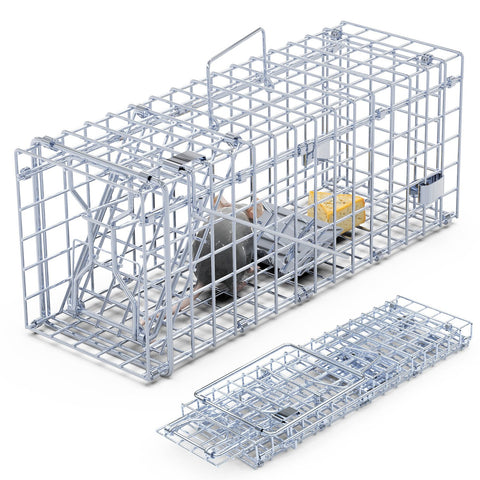
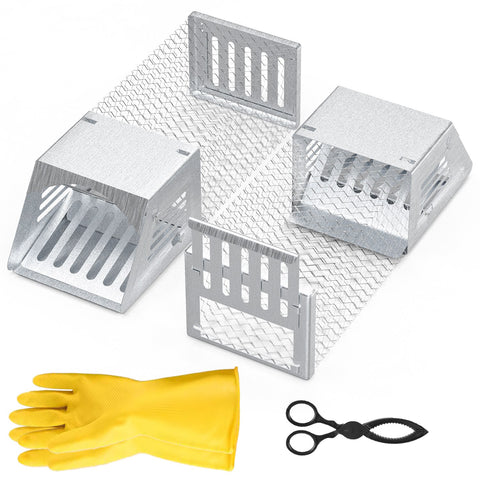


What a Rat Bait Station Does
A bait station is the container, not the treatment. Bait sits inside on a rod or in a tray, accessed through a rodent-sized entrance that keeps larger animals out. The lid locks or requires a key or tool to open, so a child, a pet, or anyone unfamiliar with the device can't open it casually.
Outdoors, the station's weight and design keep it in place against weather and disturbance, and the enclosed housing keeps bait dry rather than exposed loose in the environment. This containment is the product's main purpose. Whether or not bait comes included with a given station, the station keeps that bait secured, contained, and out of reach between checks.
How to Choose the Right Rodent Bait Station
The right rodent bait station depends on the target rodent, how tamper-resistant you need it to be, and how you plan to service it. These are the main factors worth checking before you buy.
- Rat- or mouse-sized: Entrance size differs between the two, and a station built for mice will not admit a rat.
- Tamper-resistant and locking: Keyed or tool-opened lids matter more in a household with children or pets nearby.
- Refillable or disposable: Refillable stations are serviced and reused, while disposable ones are used once and replaced. Choose what best fits how often you can realistically check them.
- Indoor or outdoor use: Outdoor stations need weather resistance and a way to stay weighted or secured in place.
- Visibility of servicing: Some stations show at a glance whether they have been entered, which makes checking faster.
- Number needed: Stations work as a set placed along a run rather than a single box covering a whole property.
Matching the station to the target rodent and the setting, rather than buying the first option available, makes placement effective.
Where to Place Rat Bait Stations
Rats travel along edges rather than open ground, so stations placed flush against exterior walls, fences, and foundations tend to see the most activity. Position them near known runs, burrow entrances, bin stores, and shed bases, with the entrance facing the wall so rodents enter along their natural path rather than approaching from the open side.
Secure or weigh each station so it cannot be moved, tipped, or carried off, particularly outdoors where weather and general disturbance are ongoing factors. Keep every station well away from doorways, patios, play areas, and anywhere children or pets spend time, even if the station itself is tamper-resistant.
Check and service stations on a set schedule, and keep a record of where each one is placed so you don't miss anything. Follow the bait product's label instructions for every detail beyond general placement, including bait quantities and servicing intervals; in the US, these instructions are legally binding.
Best Rodent Bait Stations by Use Case
If you already know the setting and target rodent, this table can help you quickly narrow down the right station type.
|
Use Case |
Best Station Type |
Buyer Need |
|
Exterior walls and foundations |
Weighted outdoor rat station |
Secure placement along active runs |
|
Garages and outbuildings |
Lockable refillable station |
Sheltered placement with regular servicing |
|
Homes with pets or children |
Tamper-resistant keyed station |
Keep bait fully enclosed and out of reach |
|
Mice rather than rats |
Compact mouse bait station |
Smaller entrance sized for mice |
|
Bins, stores, and yards |
Heavy-duty outdoor station |
High activity areas exposed to weather |
|
Short-term problem |
Disposable station |
Use and replace without servicing |
|
Ongoing monitoring |
Refillable station checked on a schedule |
Long-term prevention around a property |
Product descriptions in the grid above confirm entrance size, locking mechanism, and whether each station is refillable or disposable.
Bait Stations vs Traps and Repellents
A bait station is one of several ways to deal with rodent activity, and it is not the right fit for every household. This table gives a quick comparison.
|
Product Type |
Best For |
When to Use |
|
Rat bait stations |
Contained bait placement outdoors |
Persistent rat activity around a property |
|
Catching rodents without bait |
Indoor activity and households avoiding rodenticide |
|
|
Fast, enclosed catches |
Indoor spaces where you want no-touch disposal |
|
|
Humane cage traps |
Catch and release |
When you do not want to kill the rodent |
|
Prevention rather than removal |
After activity is cleared, and alongside sealing |
|
|
Chemical-free deterrence |
Households avoiding any bait or poison |
|
|
Sealing entry points |
Stopping access altogether |
Alongside any approach |
Not every household wants to use bait at all, and that is a reasonable position. If you would rather avoid rodenticide entirely, our eco-friendly pest control collection covers chemical-free deterrence and trapping options instead.
Why Choose PestAside Rat Bait Stations?
PestAside's rat bait station range includes tamper-resistant, lockable designs for both indoor and outdoor use, built around keeping bait enclosed and out of reach between checks. If bait is not the right approach for your household, non-bait alternatives are available in the same place, including traps and chemical-free repellents.
Every claim on this page describes what the station itself is designed to do as a containment device, not what any bait product inside it achieves. Check the product listing and the bait label directly for anything beyond general placement and containment.
Related Rodent Control Products
If bait stations are not the right fit, or rodent activity extends beyond what one product can cover, these related collections are worth a look.
- Mouse traps for households avoiding rodenticide
- Rodent repellent for chemical-free deterrence and prevention
- Ultrasonic pest repellers for broader indoor and outdoor deterrence
- Indoor and outdoor pest control for a wider view across settings
Browsing by approach, whether bait, trapping, or repelling, is usually the fastest way to find the right fit for your household.
Frequently Asked Questions
What is a rat bait station?
A lockable, tamper-resistant container that holds rodent bait securely in place. The station itself is the container. Check the specific listing to confirm whether bait comes included.
How do you use a rat bait station?
Open it with the key or tool provided, place bait as directed on the bait product's own label, close and lock it, and position it along a wall. Always follow the bait label, which is legally binding in the US.
Where should I place a rat bait station?
Place stations flush against exterior walls, near burrows, bin stores, and shed bases, with the entrance facing the wall. Keep stations away from doorways, patios, and play areas.
Are rat bait stations safe around pets and children?
Tamper-resistant stations keep bait enclosed and out of reach, but placement still matters, and you should follow the station and bait label instructions closely. If you would rather avoid bait near a household with pets or children, our pet-friendly and kid-safe collections cover non-bait alternatives.
What is the difference between a rat bait station and a mouse bait station?
Mainly entrance size and internal capacity. A mouse station will not admit a rat, and using a rat-sized station for mice can allow non-target access to the bait inside.
How many bait stations do I need?
It depends on property size and activity level. Stations generally work best as a placed set along active runs rather than as a single box, so start along the most active side of the property.
Can I use a bait station without poison?
Yes. Some people use stations with non-toxic monitoring blocks to identify active runs before deciding on an approach. If you want to avoid bait altogether, mouse traps and our eco-friendly pest control collection cover non-bait options.